Saving the tooth, ending the pain
Inside every tooth is soft tissue called the pulp. When it becomes infected or inflamed, a root canal removes the infection, cleans and seals the canals, and lets you keep the tooth.
Root canals have an outdated reputation. With The Wand STA computer-controlled anaesthesia, rotary instruments, an apex locator and a rubber dam to keep the tooth clean and dry, treatment today feels much like having a filling.
Keeping your natural tooth is almost always better than removing it. After treatment, most back teeth need a crown to protect them, which we can plan at the same time.
Signs you may need a root canal
Some infected teeth hurt a lot. Others give only small warnings. These are the signs to take seriously.
- Lingering pain with hot or cold drinks
- Pain when biting or chewing
- A tooth that wakes you at night
- Swelling or a small pimple on the gum
- A tooth that has turned grey or dark
- Deep decay or a large crack
An X-ray shows us whether the pulp is involved. If the tooth can be saved with a simpler filling, we will tell you.
See it in practice
A short video from our YouTube channel, and a look at the work itself.
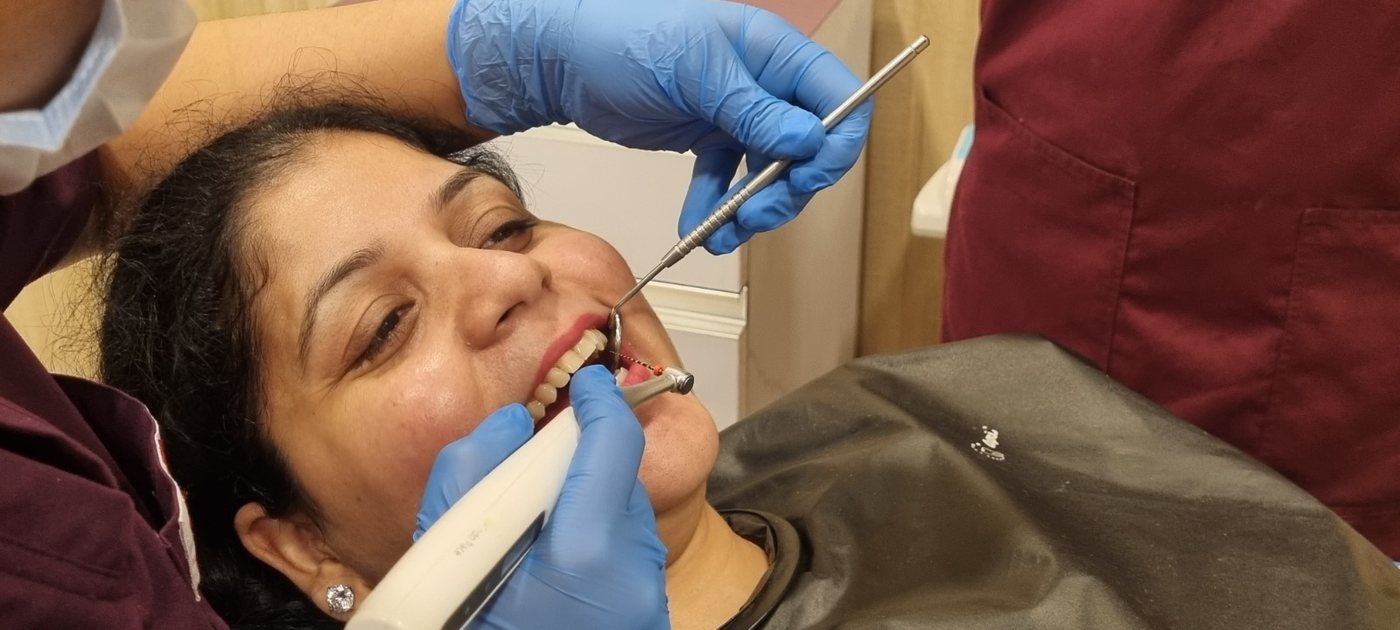
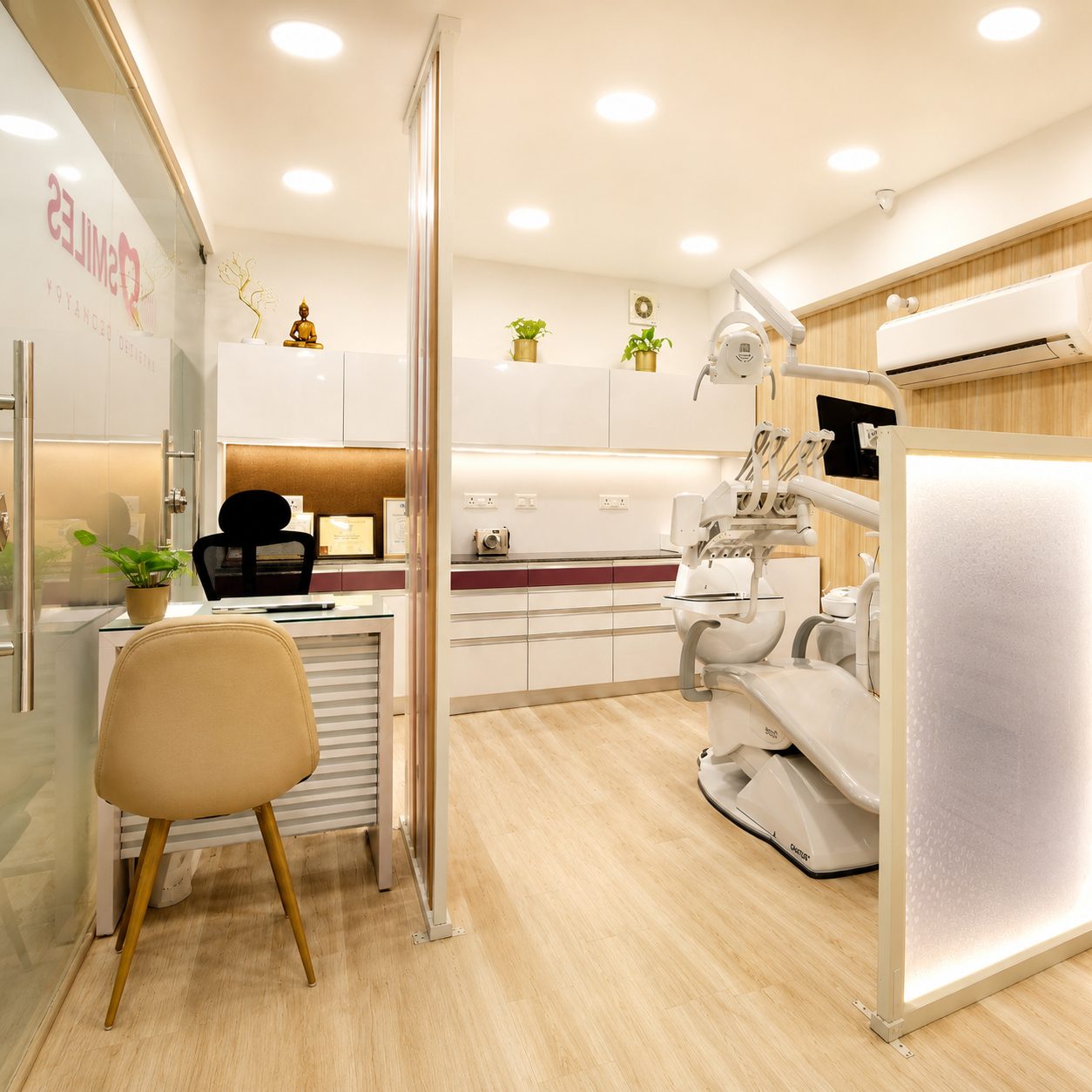
The process
What to expect, step by step. Your own timeline is confirmed once we have examined you.
Examination and X-rays to confirm the problem and plan the treatment.
Visit 1The tooth is numbed with The Wand STA, which delivers anaesthetic slowly and steadily for a gentler experience.
Visit 1The infected pulp is removed and the canals are cleaned and shaped with rotary instruments, measured precisely with an apex locator.
Same sittingThe canals are filled and sealed to stop bacteria returning. Straightforward cases are completed in one sitting.
One or two sittingsMost treated back teeth are protected with a crown so they stay strong for years.
Follow-upWhy patients choose VIN SMILES for root canals
Root canal treatment at VIN SMILES is carried out by our specialist endodontist (MDS, Conservative Dentistry and Endodontics). Saving teeth is their specialty, not something done occasionally.
Combined with computer-controlled anaesthesia and modern rotary instruments, that specialist focus is why so many patients tell us their root canal was easier than they expected.
A specialist for every procedure. No exceptions.
Common questions
The treatment itself should not be. The tooth is fully numbed, and The Wand STA makes the injection much gentler. Some tenderness for a few days afterwards is normal.
Straightforward cases are often completed in a single sitting. Teeth with severe infection or complex canals may need two.
Most back teeth do, because a treated tooth can become brittle. Front teeth sometimes only need a filling. We advise on each case.
Removing it means replacing it later with an implant or bridge to protect your bite. Saving the natural tooth is usually simpler and better value.
Relief starts with a proper diagnosis
An examination and X-ray with our endodontist, and a clear plan for saving your tooth. No obligation to proceed.